
Heading
The Filter Project Brings Clean Water and Lasting Change to Kipsongo, Kenya
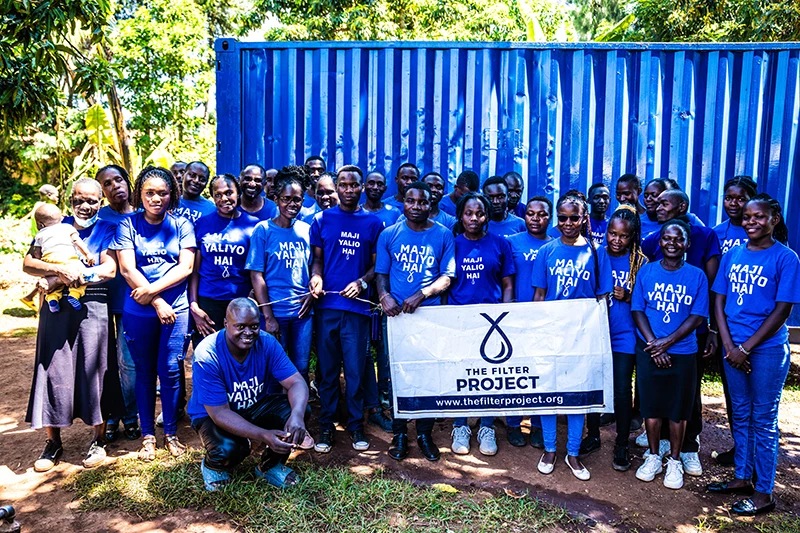
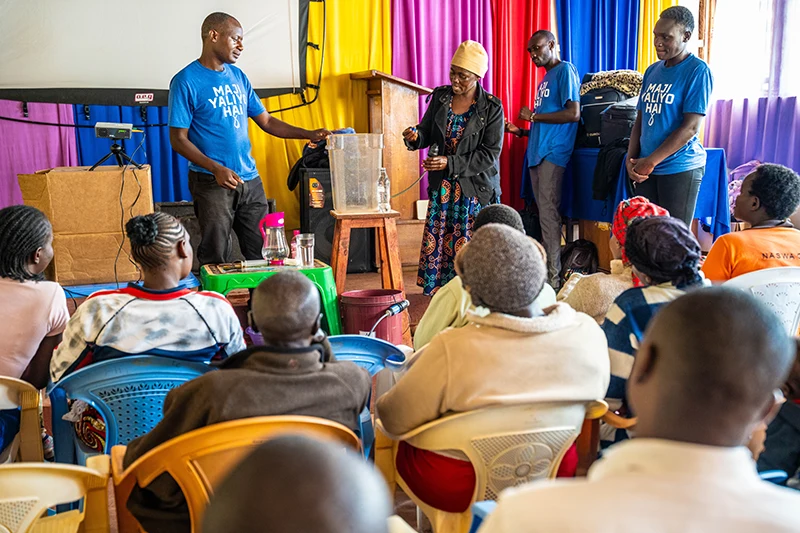
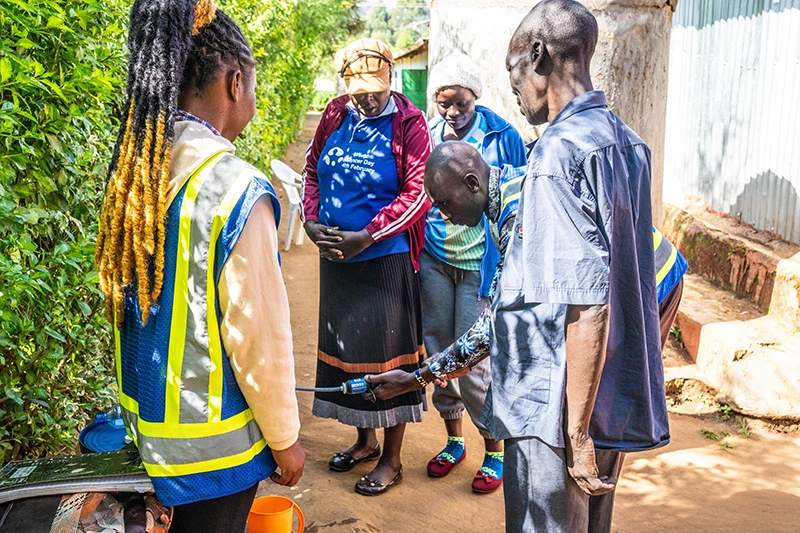
The campaign resulted in the distribution of 2,753 Sawyer Bucket Filter systems to families across the community, reaching approximately 11,278 people. Beyond the initial distributions, the team prioritized ongoing engagement with families, completing 8,316 follow-up visits to help reinforce safe water practices, provide continued support, and ensure families could maintain their filtration systems.
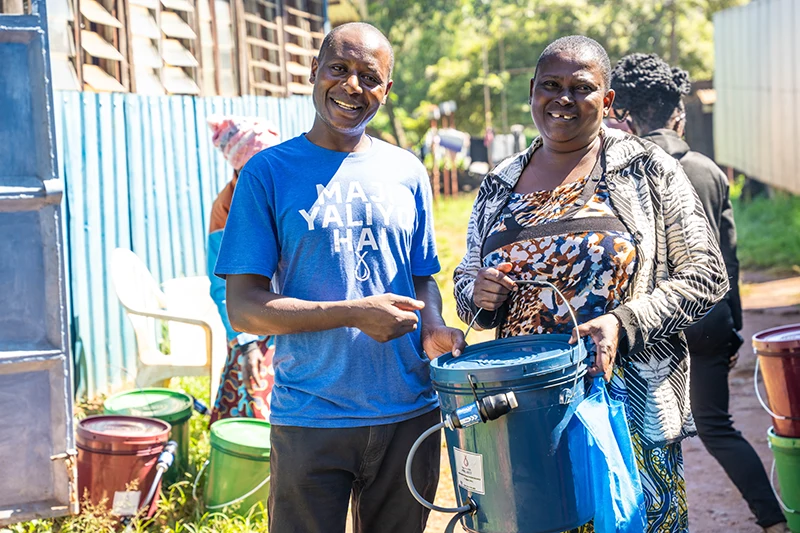
For families who previously relied on boreholes and other local water sources, access to a household filtration system has made a meaningful difference. Rispach, a mother of four who has lived in Kipsongo for approximately ten years, remembers the repeated typhoid and stomach illnesses her family experienced and the financial strain of seeking treatment. Since receiving a Sawyer Bucket Filter, she reports that her family has been healthier and has needed fewer trips to the hospital. She also values the continued visits and encouragement her family has received from The Filter Project's team.
The Kipsongo campaign has now been completed, but The Filter Project plans to continue working in the area, with the goal of expanding its efforts throughout the entire ward. Beginning in 2027, the organization hopes to reach more than 30,000 additional families. This continued commitment reflects the importance of pairing access to clean water with consistent follow-up and relationships that strengthen communities over time.
Through this partnership, The Sawyer Foundation is proud to support work that goes beyond distributing filters. By combining practical solutions with ongoing community engagement, The Filter Project is helping families build healthier lives and creating a foundation for lasting change.

Impact Highlights:
Location: Kipsongo, Matisi Ward, Kitale, Kenya
Date: January - September 2026
People served: 11,278
Filters distributed: 2,753
Follow-up visits: 8,316
Key partners: The Filter Project, The Sawyer Foundation
Focus: Household clean water access, improved health, and continued community follow-up